The central flagship hub of KIOCH's national pediatric network, located in Budhanilkantha, Kathmandu on 41-10-3 Ropani (5.2 acres) of leased government land. Delivering integrated, multi-specialty pediatric care, advanced surgeries, 24/7 emergency, and charitable subsidies for vulnerable children.
Children Treated Already
Rapidly growing impact since Jan 2026
Started operations in January 2026, KIOCH-Kathmandu Children's Hospital is partially operational with 1 out of 3 building blocks completed, providing 50 out of 200 planned beds. Delivering round-the-clock 24/7 emergency and multispecialty care so that no child in Nepal has to travel abroad or bounce between hospitals.
Explore the physical infrastructure, completed Block 1 facilities, operating theaters, and clinical care environments at our Budhanilkantha hub.
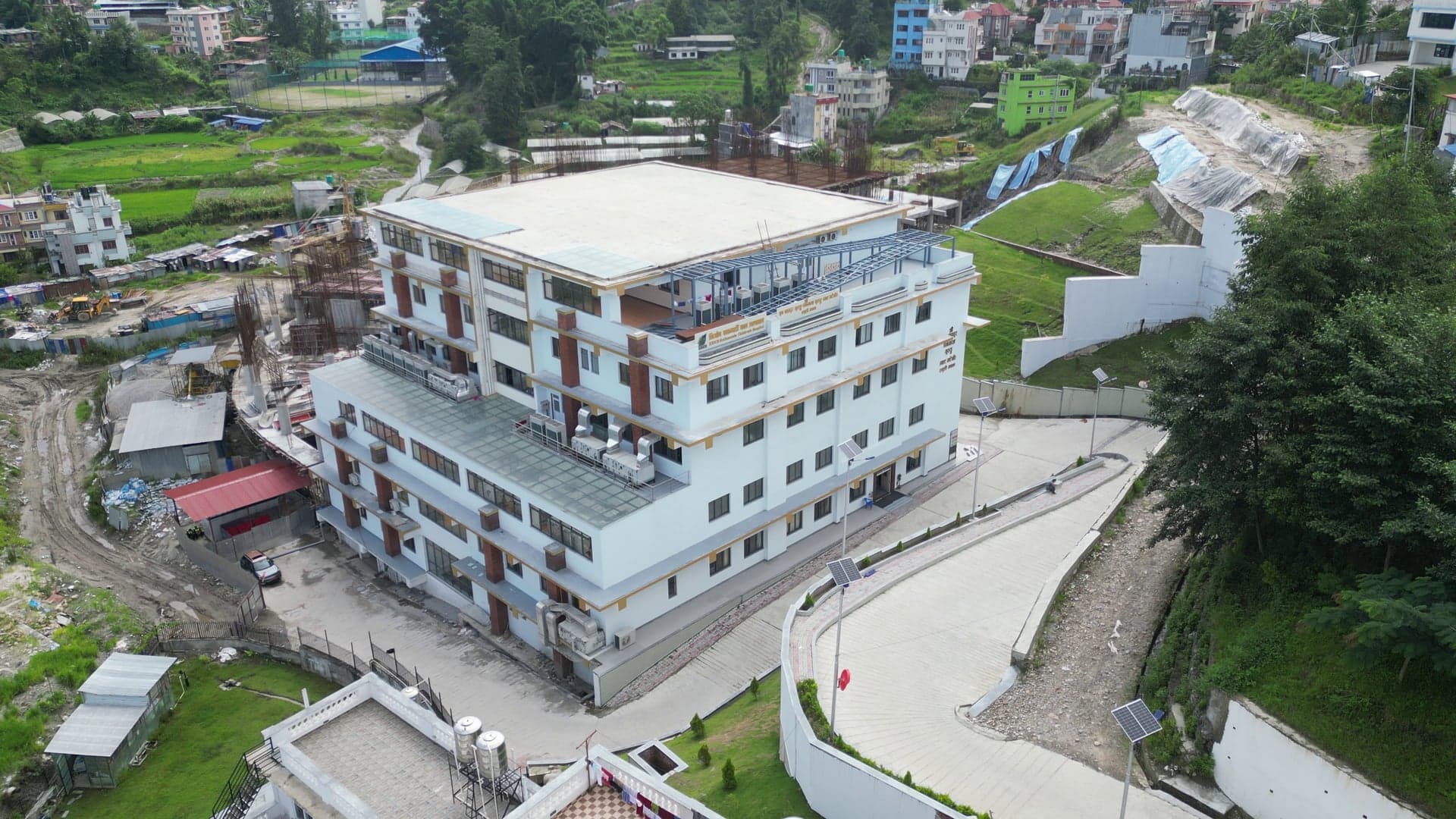
Operational Block 1 situated on 41-10-3 Ropani (5.2 acres) in Budhanilkantha Ward 7.
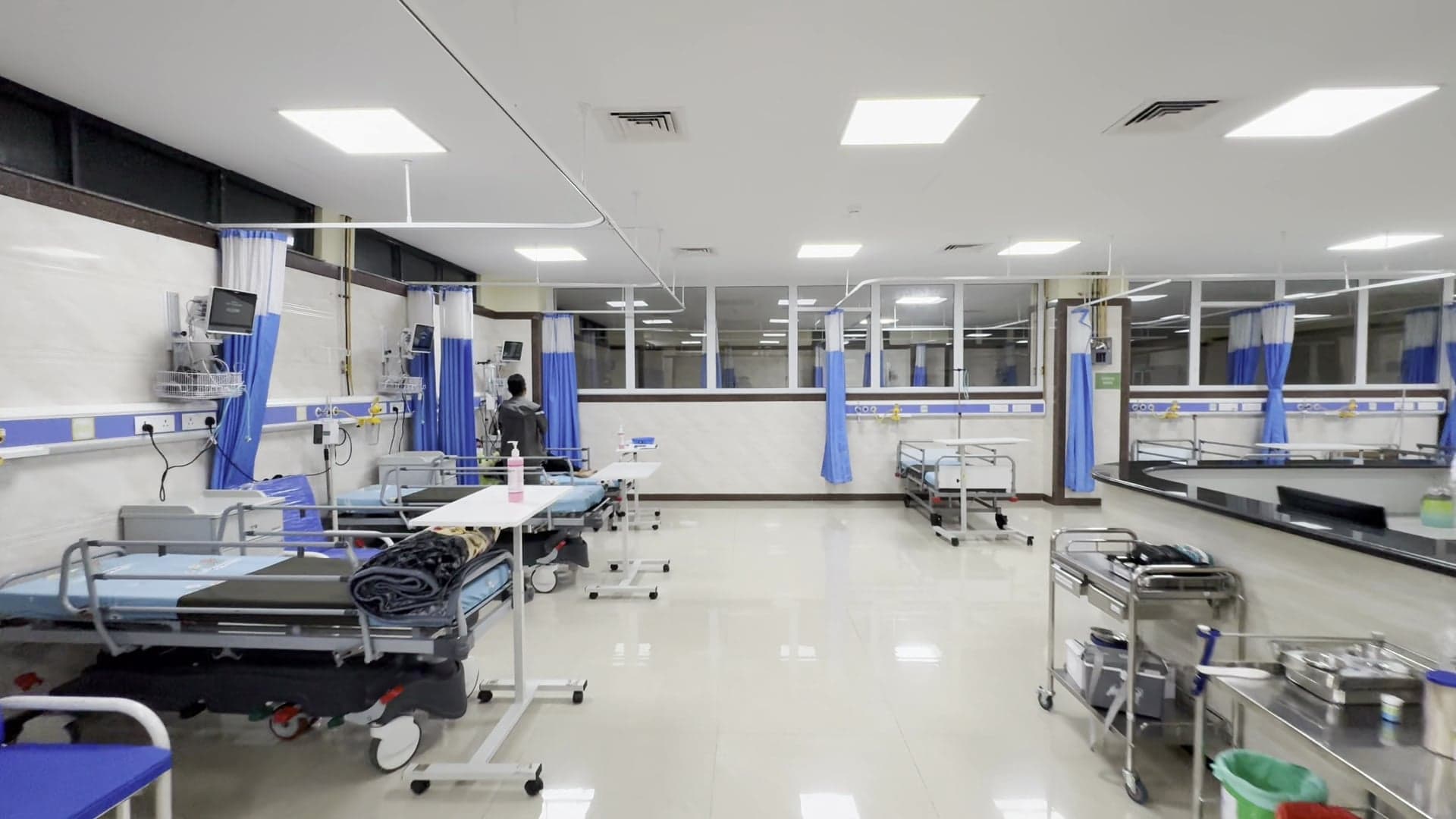
Dedicated child-specific emergency triage, casualty operating room, and isolation beds.
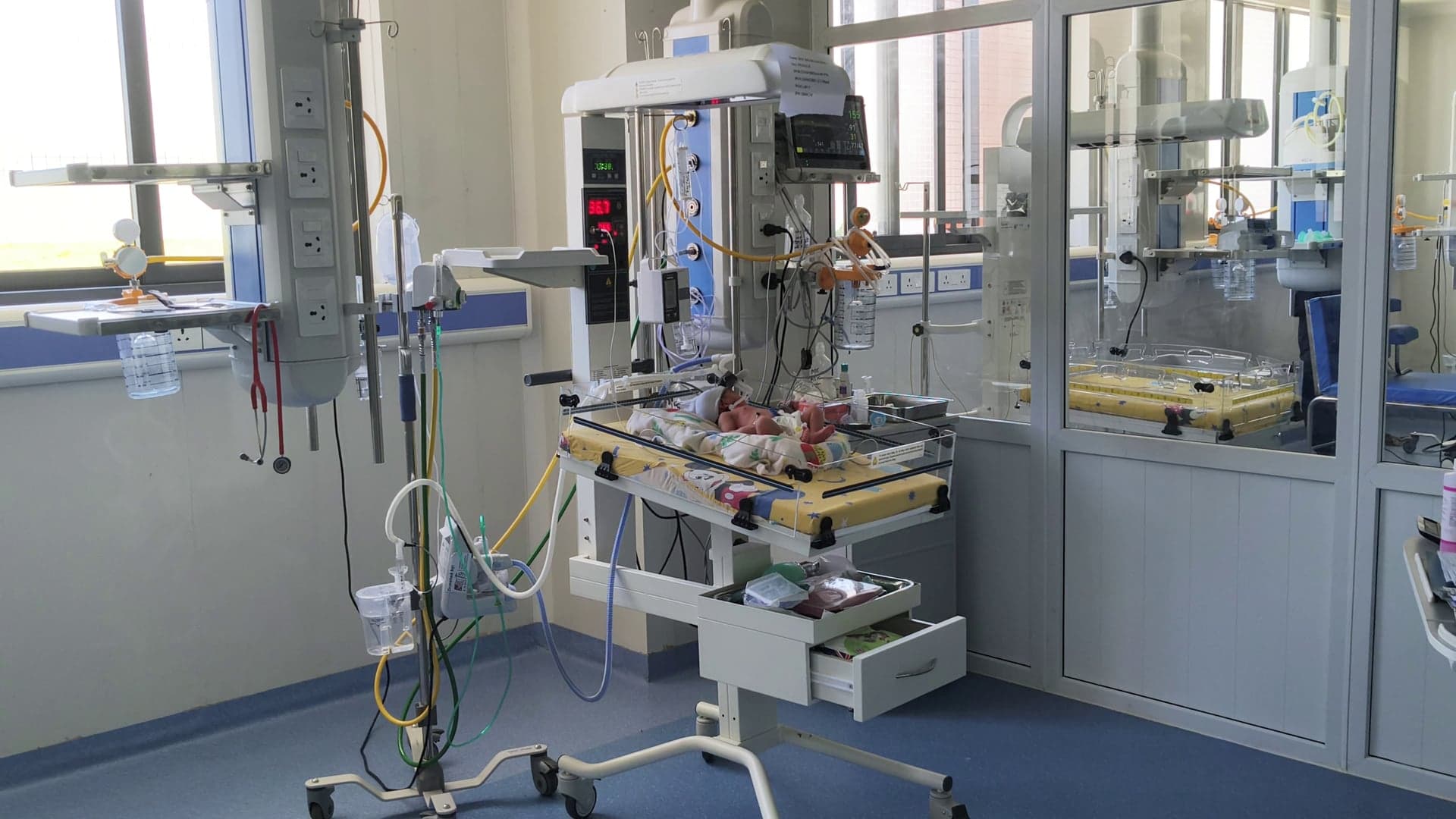
Intensively monitored neonatal unit equipped with advanced incubators, warmers, and vital monitoring.
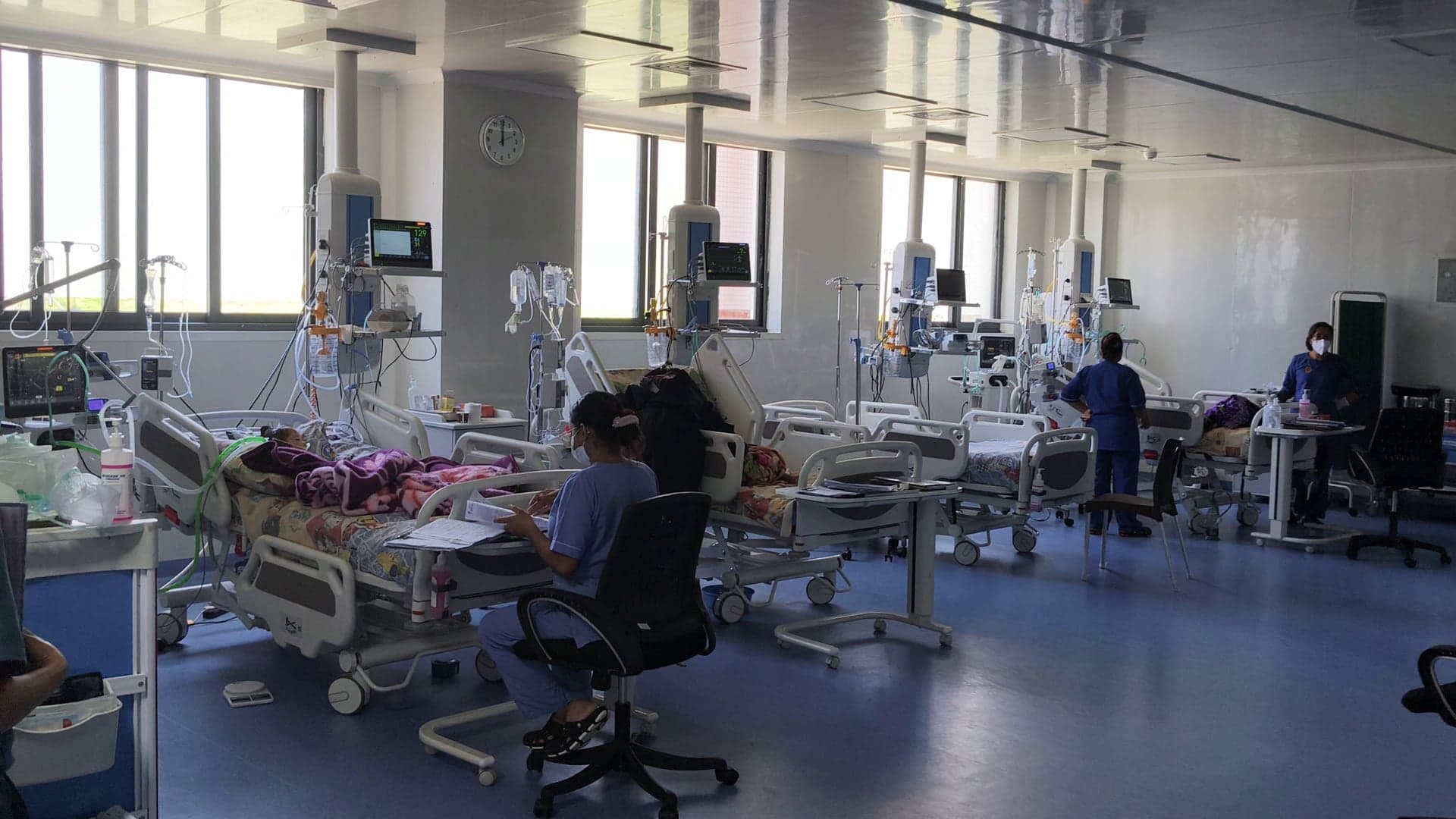
Advanced pediatric intensive care beds equipped with multi-parameter telemetry and specialized life-support.
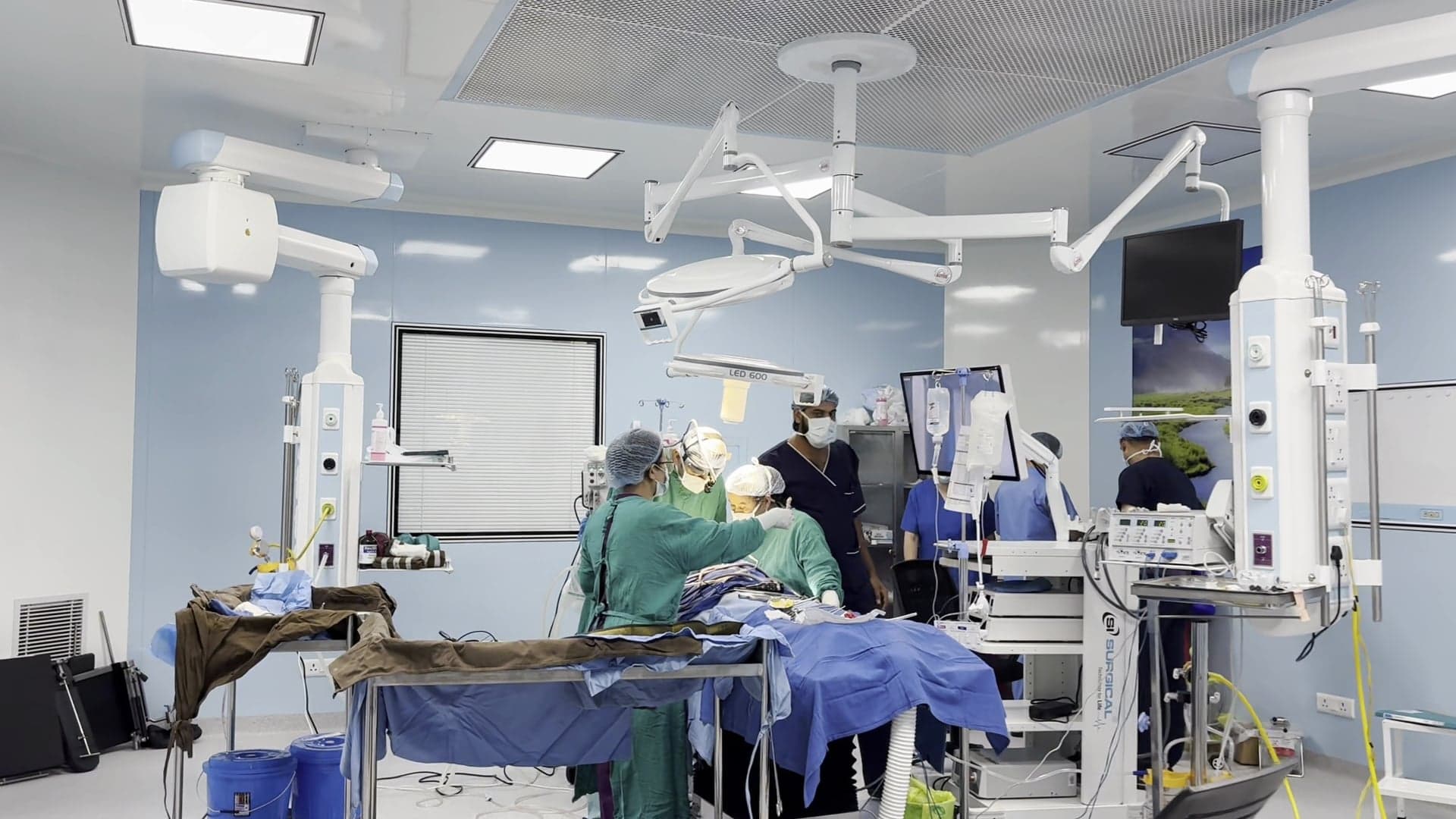
Modern pediatric operating suite with parallel processing turnover and sterile surgical environments.
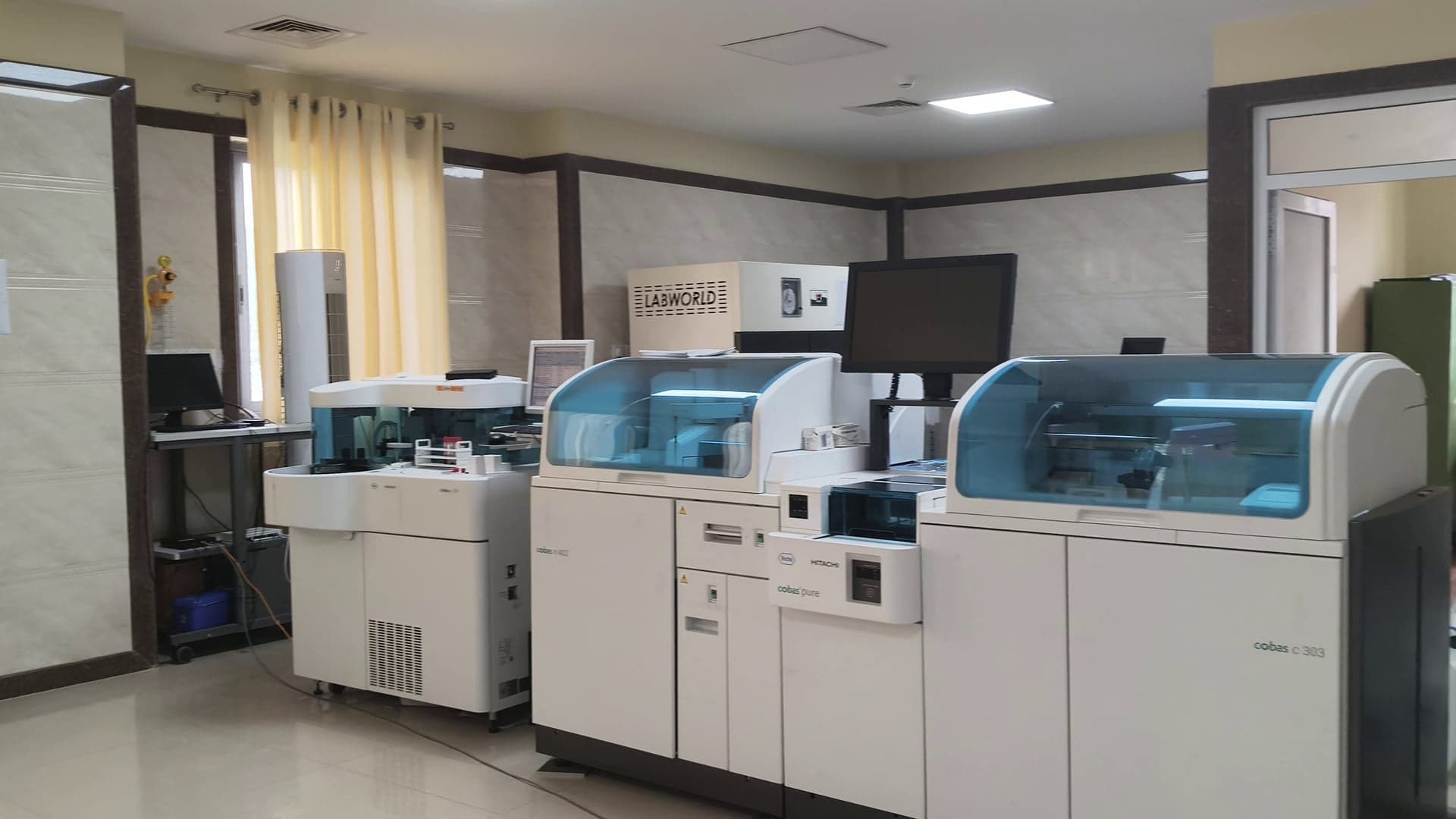
Digital radiology, pediatric diagnostics, clinical pathology, and on-site blood bank services.
Kathmandu Valley is one of the fastest-growing metropolitan regions in South Asia, expanding at 4% annually. With a registered population exceeding 2.5 million people, including approximately 1 million children, available tertiary pediatric beds historically fell far short — with only 475 pediatric beds serving the entire valley and outside referral streams.
To address this critical gap, the Government of Nepal leased 41-10-3 Ropani (5.2 acres) of prime land in Budhanilkantha Municipality, Ward 7.
In Nepal, doctors are severely unevenly distributed: Kathmandu Valley has 1 doctor for every 850 people, whereas rural districts have only 1 doctor for every 150,000 people. Building the hub in Kathmandu allows KIOCH to concentrate high-caliber pediatric talent, advanced surgical tech, and complex pathology.
From this central hub, senior consultant physicians travel on regular rotational postings to provincial satellite hospitals like Damak, while junior medical officers complete away rotations and telemedicine connects remote patients seamlessly.
Leased by the Government of Nepal for 30 years in Budhanilkantha Municipality Ward 7.
Growing at 4% annually with ~1 million children needing dedicated tertiary pediatric beds.
Centralizing top specialists in Kathmandu allows continuous training and rotational visits to rural spokes.
Overcoming rural specialist retention challenges through telemedicine and scheduled physician rotations.
Specialties at Kathmandu Children's Hospital were specifically selected based on severe disease burden, preventable child mortality, and financial viability.
Rheumatic Heart Disease (RHD) is the top acquired heart disease in Nepal's children and the 2nd most common cause of cardiac surgery. Congenital Heart Disease (CHD) occurs in ~1% of all live births, requiring dedicated pediatric intervention and surgical correction.
Approximately 1–1.5 cancer cases occur per 10,000 children. In Nepal, tragic 35% therapy abandonment occurs due to catastrophic family costs. KIOCH delivers modern oncology with dedicated separate-entrance daycare chemotherapy and full financial charity support.
Adolescent suicide rate in Nepal reached 25.8 per 100,000 (ages 15–29), with over 13.7% of students seriously considering suicide. KIOCH breaks social taboos and stigma to provide compassionate adolescent psychiatric and counseling care.
Trauma and fractures are exceptionally common in children and cause severe household impoverishment. KIOCH provides rapid surgical intervention, pediatric trauma care, and reconstructive plastic surgery.
Intensely monitored, hi-tech clinical environment for neonates and children with complex illnesses. Includes dedicated Pediatric Surgical ICU (PSICU) and isolation rooms for immunocompromised patients.
Unlike conventional adult-shared ERs, KIOCH features a dedicated 24/7 child-only emergency wing with its own external entrance, resuscitation suites, casualty OT, and direct links to diagnostic and intensive care.
In addition to core departments, the hospital provides Pulmonology & Infectious Diseases, Pediatric Nephrology, Urology & Dialysis, Neurology & Neurosurgery, Pediatric Plastic Surgery, Gastroenterology, and comprehensive rehabilitation services on demand.
Engineered to international tertiary pediatric hospital guidelines mandated by the Ministry of Health and Population Quality Standards and Regulation Division.
50 beds operational in Block 1. Phase 1 scales to 100 beds including PICU, NICU, PSICU, isolation rooms, general pediatric wards, and private cabins, expanding to 200 beds in Phase 2.
5 advanced surgical suites designed with parallel processing turnaround to maximize throughput. Includes 1 dedicated Septic OT to strictly prevent Healthcare Associated Infections (HAI).
Cancer chemotherapy patients enter through a separate direct exterior entrance, avoiding general waiting rooms to protect vulnerable immunocompromised children from infections.
In-house blood bank utilizing component separation technology for leukemia and trauma patients, serving as a regional backup for neighboring medical facilities during shortages.
Continuous monitoring of Average Length of Stay (ALOS) and dedicated step-down sub-acute beds, reducing hospitalization expenses for families and optimizing acute bed turnover.
Full-time specialist hospitalists and consultants connected digitally with provincial satellite hospitals, conducting regular surgical camps and complex case conferences.
KIOCH Kathmandu Children's Hospital is designed as a model center of excellence. By centralizing multispecialty tertiary care and pairing it with a compassionate patient welfare subsidy fund, we ensure that quality healthcare is accessible regardless of socio-economic status.
This hub anchors our 7-province network, advancing scientific medical research, pediatric residency training, and life-saving clinical care across Nepal.
Operating since 2023 with 50+ beds, serving as the first provincial satellite hospital in Koshi Province.